Kurdish Women Warriors: A Legacy of Strength, Courage, and Equality
My Kurdish Heritage and Lessons From My Mother
My mother is an Iranian Kurd through her father’s side. She left Iran during the 1979 Revolution carrying only the stories of her family and ancestors. From a young age, her father taught her survival skills including shooting rifles at nine, handling scorpions, and respecting nature.
“Aim and shoot,” she would tell me during a toy rifle game at Knott’s Berry Farm, passing down the lessons of precision and courage.
Her stories painted a picture of Kurdish ancestors living harmoniously in the mountains, teaching resilience, independence, and a deep appreciation for nature.
Kurdish Women and the Culture of Defense
Growing up, I admired that my mother and other Middle Eastern women were trained in self defense, skills often reserved for men. In regions where women’s rights are limited, Kurdish women defy societal norms, proving strength and capability.
The Rise of ISIS and the Peshmerga Women Soldiers
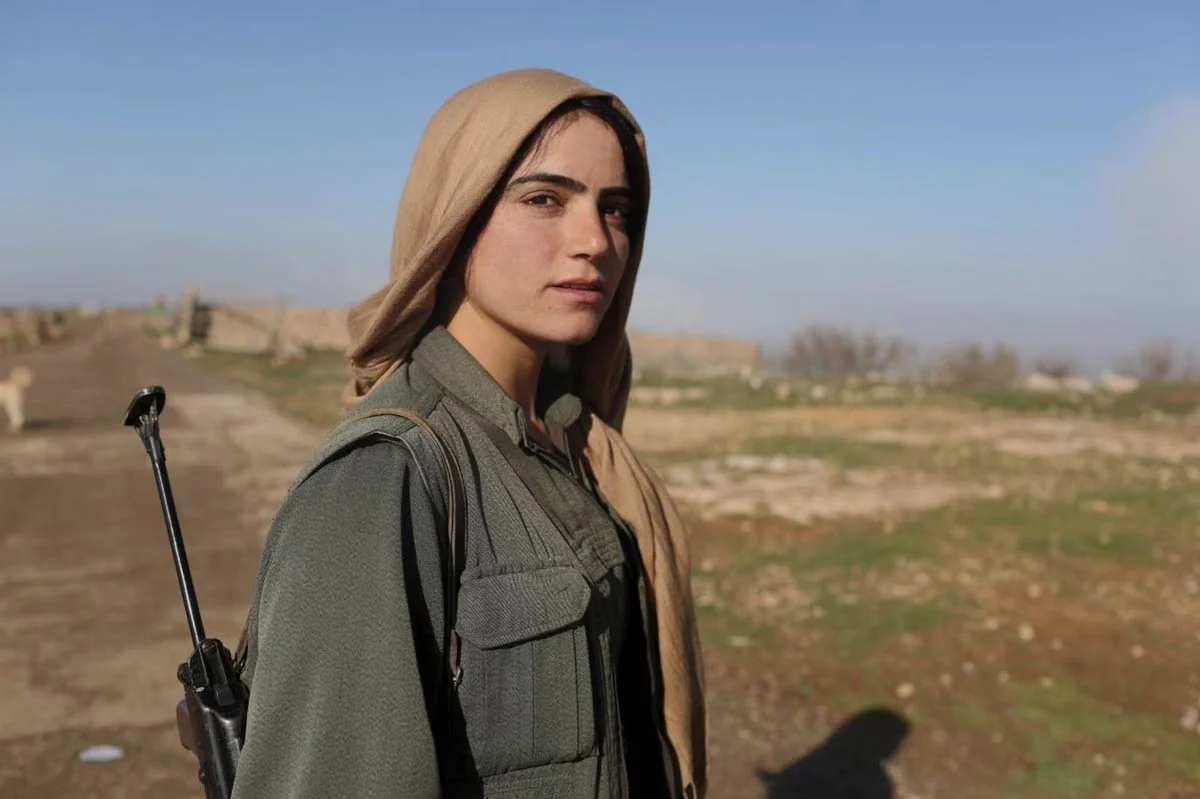
In 2014, ISIS made global headlines for brutality that included beheading journalists, enslaving women and girls, and enforcing strict laws. In response, Kurdish Peshmerga women soldiers emerged as a formidable force on the front lines in Iraq and Syria.
The word Peshmerga translates to those who face death, and it is estimated that 30 to 40 percent of combatants in Kurdistan are women. They fight alongside men, shoulder to shoulder, demonstrating that women are just as capable in combat and earning respect and fear from their enemies.
Gender Equality Through Action
Kurdish women soldiers do not just fight. They promote gender equality by example. While men and women sleep in separate camps, training and combat are often shared which fosters respect and equality.
Their impact is profound. Kurdish men learn to respect women who can fight, shifting attitudes in a region where gender equality is desperately needed.
Stories of Courage and Sacrifice
Two powerful examples illustrate the bravery of Kurdish women.
Joanna Palani, an Iranian Kurd from Copenhagen, studied politics and philosophy before leaving her home to fight for the Peshmerga. Like my mother, she fired her first rifle at age nine.
Asia Ramazan Antar, often called the Kurdish Angelina Jolie, became a symbol of the struggle at just 19. She joined the YPJ at 16, defending villages against ISIS and expertly wielding a Russian made KM machine gun. She died stopping an attack by three suicide car bombers.
These women fight not for fame but for homeland, justice, and survival, challenging patriarchal norms and inspiring generations.
Fighting ISIS and Patriarchy
For ISIS fighters, dying at the hands of a woman is considered humiliating under Sharia law. Kurdish women soldiers know this and use it as psychological leverage on the battlefield.
Despite their bravery, these women should not be romanticized or sexualized. They are soldiers defending their people, often stepping in when governments fail to protect them.
Kurdish Women Soldiers as Allies of Humanity
Kurdish troops have been crucial allies to the United States in the fight against ISIS. Yet political decisions, including withdrawing support from Kurdish fighters in Syria, are viewed as betrayals of those who shed blood defending not only their homeland but humanity itself.
These women wage war against ISIS, oppression, and patriarchal systems, embodying courage and resilience.


