How Beauty Expectations Shape the Way Black Women Are Seen
“Owning our story and loving ourselves through that process is the bravest thing that we’ll ever do.” — Brené Brown
The Weight of Daily Commentary
We don’t talk nearly enough about the harmful and debilitating comments Black women endure daily, from the color of our skin to the texture of our hair to the shape of our bodies. Whether they show up as microinsults or outright disrespect, these moments chip away at self-esteem. And they are not new. As early as the fifteenth century, aspects of our culture including hair, traditions, and beliefs were stripped away. The effects are still visible today.
I spoke with three beautiful Black women who bravely shared how certain comments and behaviors have left them feeling insecure in their own skin.
Hair Discrimination and the “It Can’t Be Yours” Assumption
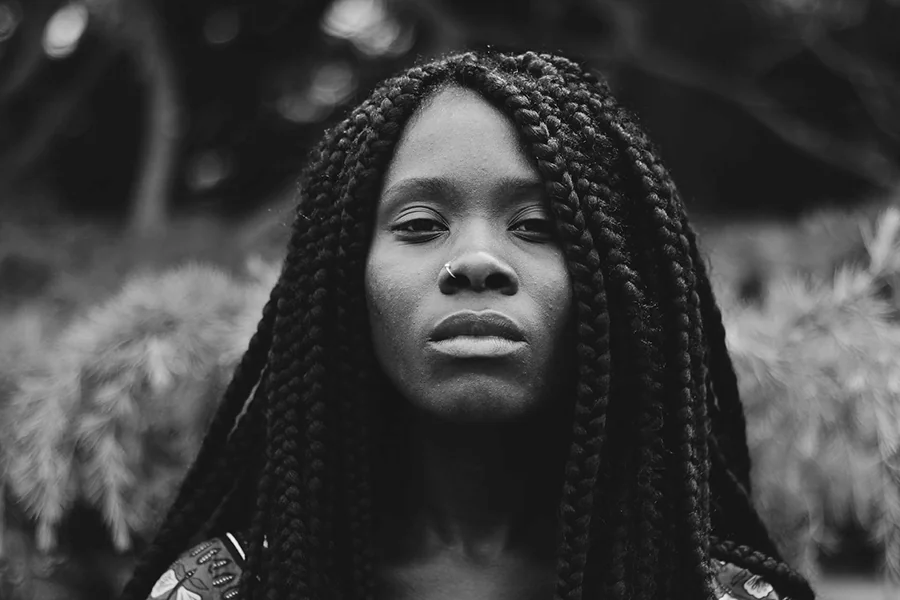
Ty, twenty one, shared her frustration.
“When I had my hair relaxed and it was long to my butt, I was constantly asked if it was weave or if I’m mixed. Now with long natural hair, I’m still asked if it’s weave or immediately what I’m mixed with. It’s not flattering. It’s like a Black girl can’t have beautiful hair without it being fake. Like it’s impossible for me to just be Black with long hair, there has to be some sort of universe stirring in my favor.”
These assumptions reveal a deeper bias, the idea that Black beauty must be explained or linked to something other than being fully Black.
Colorism and Rejection From Our Own
Mel, twenty two, recalled a painful experience.
“I dated a guy in secondary school but never met him in person. When we finally planned to meet, my white female best friend came along. He assumed she was the girl he’d been talking to and started flirting with her. When she corrected him, he told me to my face that he doesn’t like Black girls, then asked my friend out in front of me. He was a Black man himself. My heart was broken. I know everyone has preferences, but it made me ashamed of my skin color and afraid of dating.”
This moment was more than rejection. It was internalized racism. And the wound it created was deep.
Body Image Pressures in Black Culture
Mia, twenty two, spoke about how stereotypes shaped her view of her own body.
“I’ve always felt like Black women are portrayed as having wide hips, a big ass, and full breasts. Being petite, I’d look at myself and think, ‘I don’t look like that.’ It made me insecure because I didn’t fit the so called image of what a Black woman is supposed to look like.”
This narrow portrayal of Black femininity leaves many women feeling like they are not enough, even within their own community.
Healing and Rewriting the Narrative
Despite these painful experiences, each woman has found a way to reclaim her power. Ty now embraces her natural hair confidently, regardless of questions and criticism. Mel is in a relationship where she is loved unconditionally. Mia is on a transformative journey of reconnecting with herself and making tremendous progress.
The day a Black woman begins to love herself without apology is the day she becomes an unstoppable force.
The Call to Black Women Everywhere
Ignore the noise. Heal from the wounds of comparison and criticism. Your life truly begins when you love yourself as you are. The journey is not easy. It is the most radical and powerful act you can take.


